Free Lawn Care Checklist for Homeowners in Indianapolis
Essential lawn care checklist for Indianapolis homeowners. Learn monthly tips for a lush, healthy lawn that stands out all year round.
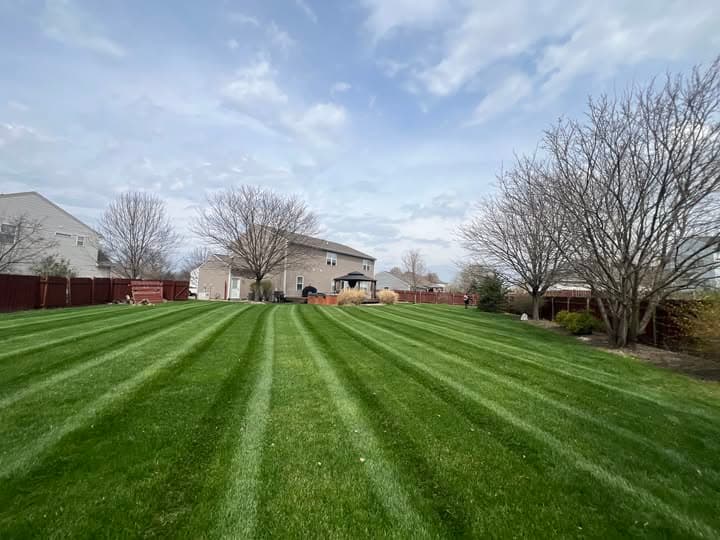
Free Lawn Care Checklist for Homeowners in Indianapolis
If you want a lawn that actually looks clean, healthy, and professional without wasting time or money, you need more than just occasional mowing. The difference between an average yard and one that stands out in your neighborhood usually comes down to consistency and timing. Homeowners across Indianapolis deal with a mix of clay soil, unpredictable weather, and strong seasonal swings, which means your lawn care routine has to be dialed in to those conditions.
This lawn care checklist is a helpful tool that shows you what to do every month to keep your yard looking great. It's perfect for people who want to take care of their own lawn or for those who hire someone to do it for them, so they know what to expect. By following this guide, you can keep your yard green, thick, and free of problems all year round.
Early Spring: Setting the Foundation
As winter fades and temperatures start rising in Indiana, your lawn begins to wake up. What you do in early spring has a huge impact on how your grass performs for the rest of the year.
Getting your lawn ready for the new season starts with a good cleanup. You've got to get rid of all the stuff that's been left behind from winter, like sticks and leaves. This debris can cause problems because it blocks sunlight and traps moisture, which can lead to patchy growth and even disease. So, take the time to clear everything out and give your lawn a fresh start.
Now that your lawn is all cleared up, it's a good idea to take a closer look at the grass itself. Check for any thin spots, areas where the soil is compacted, or places where water tends to collect. If you live in Indianapolis, you might notice that your lawn has a hard time with compacted soil because of all the clay in it, so it's a good idea to catch those areas early on. This way, you can figure out the best way to fix them and get your lawn looking its best.
Getting the timing just right is key when it comes to applying a pre-emergent herbicide. This is a crucial step in keeping your lawn weed-free, especially when it comes to pesky weeds like crabgrass. By applying the herbicide at the right time, you can prevent these weeds from ever sprouting in the first place. In central Indiana, the ideal time to apply is when the soil temperatures reach a consistent 50-55 degrees. This is usually the sweet spot for preventing crabgrass and other unwanted weeds from taking hold.
When you start mowing your lawn for the first time in the season, don't cut the grass too short. This can be really bad for it, especially if it's still getting used to growing again. So, take it easy and don't try to cut it all at once. Make sure your mower blades are sharp too, because dull blades can tear the grass and that's not good for it either. Just ease into your mowing routine and let the grass get strong before you start cutting it shorter.
Mid to Late Spring: Growth Mode
When the weather starts to warm up and you get more rain, your lawn will start growing really fast. This is the time when you can make your lawn go from okay to amazing, just by being consistent with your care.
Now's the time to start mowing your lawn on a regular basis, which is usually about once a week. The key to keeping your grass healthy is to maintain a consistent height. If you cut too much of the grass blade off at one time, it can be a shock to the grass, leading to thinning and other problems. A good rule of thumb to follow is to never cut more than one-third of the grass blade at any given time. This will help prevent any damage to your lawn and keep it looking its best.
When your lawn is growing, it needs food to keep going. Fertilizer is like a special kind of food that helps it grow strong and healthy. But you have to be careful not to give it too much, or it can get hurt. If you put too much fertilizer, it can even kill your lawn or make it grow too fast, which can be a real pain to take care of. So, it's really important to use just the right amount. When you do it just right, the good grass grows thick and crowds out the bad weeds, making your lawn look nice and neat.
Now is the time to focus on the little things, like edging and trimming - it's amazing how much of a difference it can make. You see, clean edges along sidewalks and driveways can totally transform the look of your lawn, making it go from messy to manicured in an instant. And the thing is, even if your lawn is healthy and lush, without proper definition, it can still look a bit unkempt. So, take the time to get out there and tidy up those edges, it's worth the extra effort.
If you notice weeds starting to break through, spot treatment is more effective than blanket applications. Targeting problem areas saves time and reduces unnecessary chemical use.
Summer: Protecting Your Lawn from Heat Stress
Summers in Indianapolis can be tough on grass. High temperatures and inconsistent rainfall create stress conditions that can quickly turn a green lawn into a brown, struggling one.
When it comes to watering your lawn, it's easy to think that more is better, but that's not always the case. In fact, deep and infrequent watering is usually the way to go, rather than shallow daily watering. This approach helps to encourage deep root growth, which is essential for a healthy lawn that can withstand drought conditions. By watering deeply but less often, you're teaching your lawn's roots to grow deeper in search of water, making it more resilient and better equipped to handle dry spells.
When summer rolls around, it's a good idea to raise your mower blade a notch or two. This allows the grass to grow a bit taller, which in turn provides some much-needed shade to the soil. By doing so, you'll help retain moisture in the soil and reduce the risk of heat stress, which can be really damaging to your lawn. Cutting your grass too short during hot weather is actually one of the quickest ways to cause harm, so it's worth taking the time to adjust your mowing height and give your lawn a bit of a break.
It’s also important to keep your mower blades sharp. Dull blades tear the grass instead of cutting it cleanly, which increases water loss and makes the lawn more vulnerable to disease.
Summer is a time when weeds can still cause problems, but being too aggressive with treatments when it's extremely hot can actually hurt your lawn. So, it's best to take a careful approach and avoid using too much stuff when temperatures are really high.
One thing to watch out for in this area is soil that gets packed down, especially where people walk a lot. If you see water collecting in certain spots or the ground feels really hard, that's a good sign that your lawn might need some extra help later on. This is usually done by aeration, which can make a big difference.
Fall: The Most Important Season for Lawn Health
If there’s one season that determines how your lawn will look next year, it’s fall. Many homeowners overlook this window, but it’s actually the best time to strengthen and repair your lawn.
Aeration is a really important step to take for your lawn. It helps by taking out small plugs of soil, which lets air, water, and nutrients get to the roots more easily. This is especially helpful in places like Indiana, where the soil can be really dense and stop plants from growing well.
Overseeding often goes hand-in-hand with aeration. This process fills in thin or bare areas, creating a thicker and more uniform lawn. A dense lawn not only looks better but also naturally prevents weeds from taking over.
Fertilization in the fall focuses on root development rather than top growth. This helps your lawn store energy for winter and come back stronger in the spring.
Taking care of leaves is really important. When you leave them on your lawn, they block the sunlight and trap moisture, which can cause disease and kill parts of your lawn. So, it's a good idea to remove them regularly to keep your lawn healthy and let it get the air it needs. This way, your lawn can stay strong and look its best.
As temperatures begin to drop, you can gradually reduce your mowing frequency. However, it’s important not to stop too early. Keeping your lawn at the right height going into winter helps prevent issues like snow mold.
Winter: Preparing and Protecting
Just because your lawn appears to be dormant during the winter months, doesn't mean you can completely forget about it. There are still some key things to consider, even when it's not actively growing.
When the lawn is all frozen and covered in snow, a lot of people just forget about it until spring comes around. But that's not a good idea. If you walk all over your lawn when it's frozen, it can get damaged and you won't even notice until the snow melts and spring arrives. So, try not to walk on your lawn too much when it's all frosty and snowy. This will help prevent damage that can be a real pain to fix later on. Just be careful and try to stay off the lawn as much as you can, okay?
Now is a great time to give your equipment some TLC. Take a few minutes to sharpen those dull mower blades, swap out the old oil for some fresh stuff, and make sure everything is in working order. When you start the new season with well-maintained equipment, you'll really notice the difference it makes in how your lawn looks.
Planning ahead is another underrated step. If you noticed problem areas during the year, winter is the time to figure out how you’re going to address them. Whether it’s drainage issues, thinning grass, or recurring weeds, having a plan puts you ahead when spring arrives.
Common Mistakes That Hurt Lawn Value
You can do everything right, but still, some simple mistakes can really hurt your lawn.
Cutting grass too short is one of the biggest issues. It might seem like it reduces how often you have to mow, but it actually weakens the grass and makes it more susceptible to weeds and heat stress.
Overwatering is another problem. Lawns don’t need constant moisture, and too much water can lead to shallow roots and disease.
Not paying attention to the soil's health is a big mistake. If you don't give your lawn the air and nutrients it needs, it won't be as healthy as it could be - and that's true even if you mow and water it all the time. Your lawn needs a little extra care to really thrive.
Finally, inconsistency is what separates average lawns from great ones. Skipping weeks, mowing at random heights, or applying treatments at the wrong time all add up over the season.
Why This Checklist Matters for Home Value
A nice lawn is not just about looks, it can actually affect how people see your property. In areas like Indianapolis and its suburbs, where there's a lot of competition, having a lawn that looks good can make a big difference in how valuable your property is. It's like the first impression people get when they see your home, and it can really make or break their opinion of it.
When people are looking to buy a house, they usually make up their minds pretty quickly - sometimes in just a few seconds. If the lawn is nice and green, it gives the impression that the whole property is well taken care of. On the other hand, if the yard looks neglected, it can raise some red flags even before they step inside the house. A nice lawn can make a big difference in how people see the property, and it's often one of the first things they notice.
Taking care of your lawn is a good idea, even if you don't plan on selling your house soon. It helps keep your property looking nice and protects the money you've put into it. A well-maintained lawn can make a big difference in how your home looks all year round.
Final Thoughts
Looking after your lawn can be pretty simple, as long as you stick to a routine and do what works best for where you live. If you follow this list of things to do at different times of the year, you can avoid a lot of common issues and keep your lawn looking neat, healthy, and well-taken care of.
Hiring a professional landscaping company can be a big help if you're struggling to keep up or want a better-looking lawn without the hassle. They can save you time and get you the results you want. But if you'd rather do it yourself, following a plan can still make a big difference and put you ahead of the game compared to other homeowners in your area.
A great lawn isn’t built in a day—it’s built over a full season of doing the right things at the right time.