Installing Sod the Right Way: When, How, and Where It Works Best in Central Indiana
Discover how, when, and where to install sod for stunning lawns in Central Indiana. From preparation to best practices, get the perfect lawn fast.
Installing Sod the Right Way: When, How, and Where It Works Best in Central Indiana
Having a nice lawn can really make a big difference in how your property looks. If you're building a new house, fixing up a yard that's been damaged, or just want a green lawn right away, putting in sod is a great way to get quick results. Lots of people in Fishers and nearby areas choose sod because it looks good right away, unlike seeding which can take a long time to grow in. With sod, you can have a beautiful lawn in no time, and it's a lot faster than waiting for seeds to sprout and grow. This is especially helpful if you want to improve the look of your property quickly, or if you're getting ready to sell your house and want it to look its best.
Getting sod installed right is really important. If you don't prepare the ground properly, or water it incorrectly, or even install it at the wrong time of year, it can all go wrong. But when you do it correctly, sod can take hold quickly and give you a thick, healthy lawn that will last for years to come. This guide will walk you through the best time to install sod, the steps involved in the process, and where sod tends to do best in the Central Indiana area.
Why Sod Is a Popular Choice for Indiana Lawns
Sod is basically mature grass that's been grown on a farm and cut into rolls or squares. Since the grass already has roots, it gives you instant coverage. Lots of people in Carmel, Noblesville, and Westfield choose sod when they want their lawn to look great right away or need to fix big areas quickly. It's a good option if you want a nice lawn without waiting for seeds to grow.
One of the biggest advantages of sod is erosion control. Bare soil can easily wash away during heavy rains, especially on sloped properties. Sod stabilizes the soil immediately, preventing erosion while the roots establish in the ground.
Sod also reduces weeds. When installed properly, the dense grass coverage leaves little room for weeds to grow. This gives homeowners a much cleaner and healthier lawn compared to traditional seeding.
When Is the Best Time to Install Sod in Central Indiana
When it comes to laying sod, timing is everything. You can put it in at almost any time of year, but some seasons are way better than others for getting it to take hold and thrive.
In Indiana, spring is a great time to put in new sod. The weather is cooler and it rains a lot, which helps the sod grow fast. When you install sod in the spring, the grass has time to develop strong roots before it gets really hot in the summer. This makes it more likely to stay healthy and look good all year round.
Another great time to put in sod is early fall. The temperatures are cooler, which is nice, and the soil is still warm, so the roots can grow well. A lot of people who do landscaping like to install sod in the fall because the grass doesn't get as stressed out as it does in the summer.
When you put in new sod during the summer, you have to be careful with watering and keep an eye on it. The hot weather can be tough on the new sod, so you need to make sure it gets enough water, especially in the first few weeks.
In Indiana, it's generally not a good idea to install sod during the winter months. The ground is usually frozen, which makes it hard for the roots to grow and settle in properly. Plus, the sod can't really connect with the soil until the weather warms up a bit.
How to Prepare the Ground Before Installing Sod
Proper preparation is the foundation of a successful sod installation. Many lawn problems occur because the soil was not prepared correctly before the sod was laid.
To start, you need to get rid of the old grass or weeds. This means clearing away any debris, rocks, and old turf so the new sod can touch the soil directly. If there are weeds, it's a good idea to treat them before putting in the new lawn, or they might just grow back up through it.
To get your soil ready, loosen it up and make sure it's even. Breaking up the soil a few inches deep helps roots grow deeper and makes it easier for the sod to take hold. Also, making sure the soil is graded just right is important for getting rid of extra water. Fill in any low spots where water tends to collect and level them out so you don't get puddles.
In areas like Central Indiana, where the soil is mostly clay, it can be tough for plants to grow. This is because clay soil can hold a lot of water, which can prevent roots from growing properly. One way to fix this problem is to add topsoil or compost to the soil. This helps the soil drain better and creates a healthier environment for plants to grow. By mixing in organic material, you can improve the soil quality and make it easier for your new lawn to thrive.
After getting the soil ready, it's a good idea to press down on it gently and smooth it out so it's even. This way, the sod will lay flat and stick to the soil nicely.
How Sod Should Be Installed
When the ground is all ready, it's time to start putting in the sod. You have to do it at the right time, too. The best time to install sod is as soon as it's been cut from the sod farm. If you put it in right away, it will take root and grow a lot better than if you wait a few days. Fresh sod is like a living thing, and it needs to get into the ground quickly so it can start growing. If it sits around for too long, it won't do as well. So, it's really important to get it installed as soon as possible after it's been harvested.
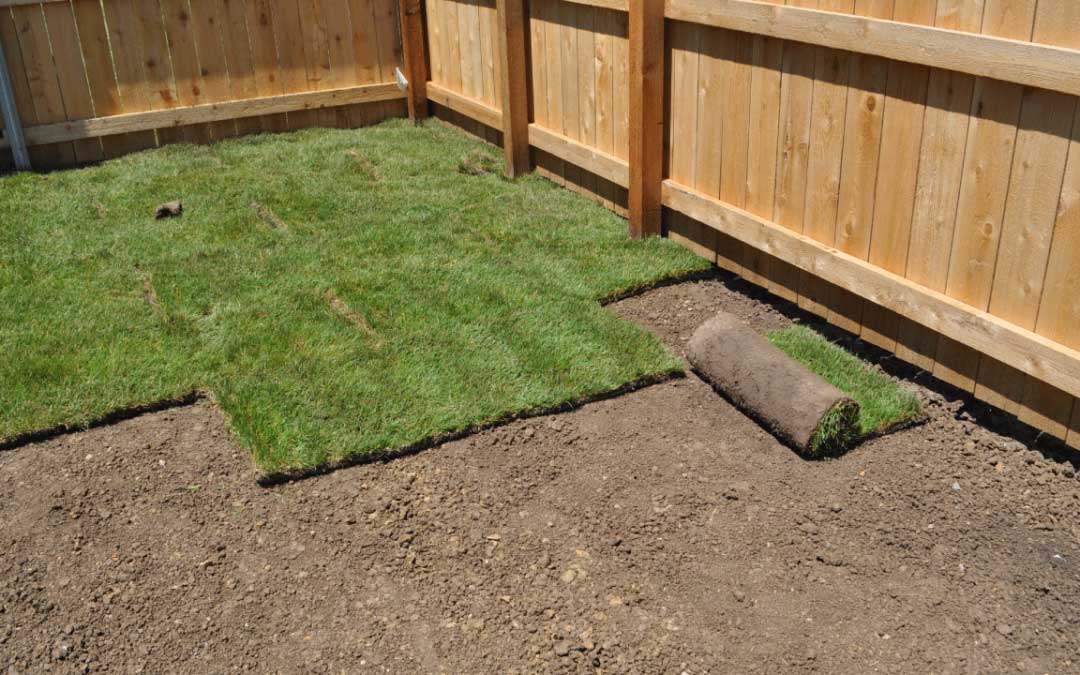
When you're putting in sod, it's best to start with a straight edge, like a driveway or a sidewalk. This first row is really important because it sets the tone for the rest of your lawn. So, take your time and make sure it's laid out in a straight line, it will make a big difference in how your lawn looks in the end.
When laying down each new row, make sure to stagger them like the bricks in a wall. This helps get rid of those long seams and creates a lawn that's stronger and more stable. Also, the edges of each piece should fit together tightly, without overlapping each other.
After you've laid the sod, use a lawn roller to get rid of any air pockets and make sure the sod is in good contact with the soil. This helps the roots of the sod attach to the soil and start growing fast. By doing this, you're giving your new lawn the best chance to settle in and start looking its best.
Cutting sod around landscaping features such as trees, garden beds, and walkways ensures a clean and professional appearance.
Watering New Sod the Right Way
Watering is one of the most critical factors for successful sod installation. Newly installed sod must stay consistently moist during the first few weeks while the roots establish in the soil.
Right after you put in the sod, you should water it really well so the soil underneath gets completely soaked. This helps get rid of any air pockets and gives the roots the moisture they need.
When you first lay sod, you should water it every day or maybe even twice a day, depending on the weather. The key is to keep the soil damp, but not so wet that it starts to pool on the surface. You want to find that sweet spot where the soil is moist but not waterlogged.
As the roots start to grow deeper into the soil after the first couple of weeks, you can begin to cut back on watering. Before long, your lawn should be able to handle a regular watering schedule, just like any other established lawn. This is because the roots are now strong enough to reach deeper into the soil, allowing the lawn to survive with less frequent watering.
Walking on new sod should be avoided during the first few weeks to prevent shifting and damage to the developing root system.
Where Sod Works Best
Sod can be installed in many different areas of a property, but certain locations benefit from sod more than others.
New construction homes often have bare soil after the building process is complete. Sod is a great option for quickly establishing a lawn and preventing erosion around the property.
Sloped yards also benefit greatly from sod. Seeded lawns can wash away during heavy rain, but sod immediately stabilizes the soil and holds it in place.
Places that get walked on a lot are perfect for laying sod. Since sod gives you a lawn right away, it can handle people walking on it much sooner than a lawn that's been seeded.
Sod is also commonly installed around patios, walkways, and landscaping features to create a finished and polished appearance.
Common Mistakes to Avoid
Putting in sod is a pretty simple process, but there are some common mistakes that can cause issues.
One of the biggest mistakes is installing sod on poorly prepared soil. Without proper grading and soil preparation, sod may struggle to establish or develop drainage issues.
Not giving your new sod enough water is a big mistake. When you first put it in, it needs water all the time for a few weeks. If it gets too dry, parts of the lawn can die. You have to keep the soil moist, like it's always a little bit damp. This helps the roots grow strong and the grass get established. If you don't, you might end up with dead spots all over your lawn.
Installing sod that is old or dried out is another issue. Fresh sod establishes much more successfully than sod that has been sitting for several days after harvest.
Overlapping seams or leaving large gaps between pieces can also cause problems. Proper installation ensures tight seams and even coverage across the lawn.
How Long Sod Takes to Establish
Most people want to know how long it takes for new sod to really take hold. Usually, it starts to root into the soil in about two weeks. After a month or so, the roots are strong enough that you can use your lawn like normal. This is because the sod has had time to settle in and the roots have grown deep into the soil, making it stable and ready for regular use.
The timing can vary, but generally, cooler temperatures and consistent moisture help roots establish faster. Things like weather, watering, soil conditions, and the type of grass you have all play a role in how quickly this happens.
Once the sod is fully rooted, normal lawn maintenance can begin. This includes regular mowing, fertilization, and proper watering.
Maintaining a Healthy Sod Lawn
Taking good care of your lawn after it's been put in is really important if you want it to stay healthy and look its best for a long time.
When your grass gets to be around three or four inches tall, it's time for the first cut. Make sure your mower blades are sharp so you don't hurt the new grass.
You can start adding fertilizers a few weeks after you've set up your plants to help them keep growing and developing their roots. This will give them a boost and make sure they stay healthy.
To keep your lawn looking its best, especially in Indiana where the summers can be really hot, it's a good idea to water it regularly when it's dry. This helps the grass stay healthy and strong.
Aeration and overseeding in future seasons can also help maintain thick, healthy turf and prevent soil compaction.
Professional Sod Installation in Central Indiana
When it comes to laying sod, some people like to do it themselves, but getting a professional to do it is a better idea. They have the right tools and know-how to get the job done from start to finish. This includes getting the soil ready, putting in the sod, and making sure it grows well.
Professional sod installation is especially beneficial for larger properties, sloped yards, or areas with drainage challenges.
For people who own homes in places like Fishers, Carmel, Noblesville, and Westfield, putting in sod the right way can make a big difference in how their property looks and how much it's worth. When you put in a lawn correctly, it looks great right away and makes a strong outdoor space where families can have fun.
If you put in sod at the right time, get the ground ready just right, and take good care of it while it's getting established, it can turn into a beautiful, healthy lawn that makes any yard look great.